http://e-info.org.tw/node/117576
福島核災的農業重生之路 從東京城市農場開始
文字大小
25 1 Share1
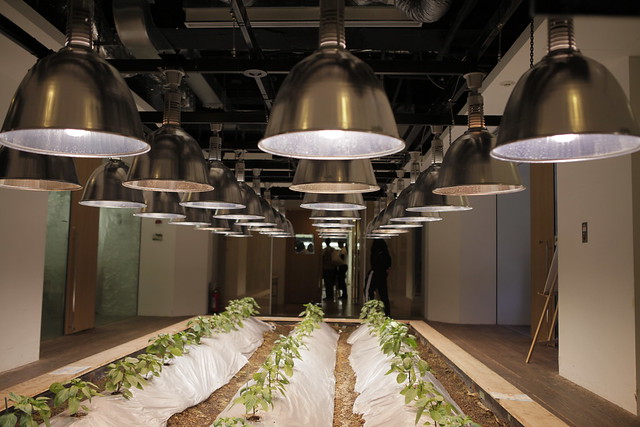
科技農報2016年7月21日綜合外電報導,柴幗馨、林韋佑編譯;柴幗馨、林韋佑編輯
日本311大地震重創東日本的農業生產,五年過去了,即使災區的景觀修復完畢,但輻射危害的陰影,讓許多災區邊緣的農業區面臨農作物滯銷的窘境。好在日本當地的大企業家願意投入龐大資金與資源,協助核災地區的農民從事農業生產,試圖重振東日本農業的榮景!
東京城市型農園。圖片來源:張良伊提供。本報資料照片。
災難劇變 11萬福島農民提早退休
2011年3月,因為地震、海嘯造成了核災,震撼日本東北地區的農業。在東京北邊150公里遠處的福島縣,有7萬名農人的生計因此受到影響。數以萬計的建築物被芮氏規模9.0的地震給摧毀,也有許多田、農作物、甚至是居民隨著33公尺高的海嘯而一去不復返。
危機就在福島第一座核電廠洩露出放射性銫開始,污染了周遭的土壤和水源,使得這些年來人們反對食用核災區的農作物,即使人們知道那裡有部分的農田並沒有受到放射性銫的影響。在災後的一年裡,核災區的農產銷售低於預期值約1.5億日圓,甚至失去了與140個農場的合作夥伴關係。
然而高達1600億的農產跟漁業的鉅額損失,卻只是食品安全風暴的最前線。面積如加州般大小的日本,在二戰之後,已經急遽地改善自身的農業生產結構,達到自給自足的目標。不過根據統計數據顯示,未來的十幾年,日本將有更多人放棄農夫這個職業。
1965年,日本有73%的農業源自於福島縣,在2010年的同時期只剩下39%,而土地的可種植面積也從15萬英畝縮小至11萬英畝。日本農人的平均年齡也從1995年的59歲攀升至66歲(2011年)。在突然之間,11萬的福島農民都提早退休。
台場農場的城市農園
2012年,為了提供從福島核災避難所的老農一個安身立命的處所,由房地產巨頭——三井不動產成立了台場社區農場。
農場內種植的作物包括水稻、大豆、小番茄等,讓這些流離失所的農民,能將自己一身懸命的農業知識傳承給城市裡的年輕人。三井公司也保留了一塊地塊種植自家的農產品,並在當地的市場販售。但大部分的屋頂空間都是給農民朋友提供免費農業銷售資訊或課程使用,比方教授如何以白米釀造清酒的技術。
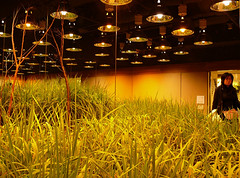 |
| 聖保那集團城市農場一景。圖片來源:Yamashita Yohei (CC BY-NC 2.0) |
聖保那集團的城市農場大樓
最繁忙的金融中心——聖保那集團城市農場,位在9層高的大樓裡,總面積達21萬平方公尺,是東京最大的城市農場。聖堡那集團是日本第二大人力資源公司,他們重新翻修了50年歷史的老舊建築物,從2010年開始,便聘請農業技術專家,教導公司員工基本的農事技巧。中村亮先生是任職該公司的員工,他表示:「公司設置的農場,讓大家體認到『國家需要更多能耕作的土地空間』」。
至今聖堡那集團的城市農場已經成為當地的新景點,整棟建築物的一、二樓是對外開放的。大廳的接待處種植了黃瓜、西紅柿、還有葡萄樹。穿過大廳,高大的玻璃櫃裡有百香果、葡萄和檸檬樹。此外還有一區面積如一個籃球場大小的室內水稻田區,可以看到穿著即膝靴的員工正在收割水稻。而另一頭,員工餐廳的廚師正將收穫的稻米加工後製成餐點。
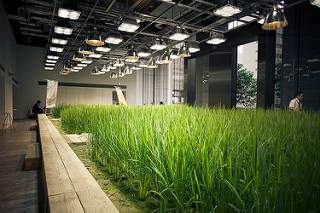 |
| 聖保那集團室內水稻區。圖片來源:hélène veilleux (CC BY-NC-ND 2.0) |
富士通的乾淨蔬果計畫
而同樣是福島核災受災戶的富士通公司,也正努力地運用政府的補助資源,翻轉福島縣的命運。身為日本重要科技大廠之一,富士通將自己的微晶片生產線應用在水產養殖。讓原本戴著面罩、穿著實驗衣的30名晶片生產線員工,轉向投入種植鉀含量較低的生菜。由於日本的人口高齡化市場逐漸擴增,這種低鉀蔬菜,能夠減少腎臟代謝鉀離子的負擔。低鉀蔬菜已經在全日本的雜貨店中販賣,也是第一個富士通的「乾淨蔬果」系列商品,未來以打進全球市場為首要目標。
高科技的農業生產,不但提升了日本農民的社經地位,也讓農民受到更好的禮遇。然而在今年2月,日本政府簽訂太平洋貿易協定(TPP),也讓農業面臨最嚴峻的挑戰。與美國簽訂了太平洋夥伴關係(TPP)之後,日本的農業生產額將受到巨大的衝擊。未來消費者能更容易買到來自加拿大的豬肉、澳洲的牛肉以及紐西蘭的奶油。


Rice plants figure among a number of crops grown at City Farm Odaiba, set on the roof of a high-rise overlooking Tokyo Bay.
Nicholas Daitche
The earthquake, tsunami, and resulting nuclear disaster that rocked Japan’s Tohoku region in March of 2011 dealt a series of sharp blows to the 70,000 farmers living in Fukushima prefecture, some 150 miles north of Tokyo. Thousands of buildings were destroyed by the magnitude 9.0 quake, while others were washed away, along with fields and crops, by the 33-foot-high waves that followed.
The meltdown at the Fukushima Daiichi power plant spewed radioactive cesium that contaminated the surrounding soil and water, poisoning public sentiment against the region’s crops for years to come—even after it became clear that many local farms had been unaffected.
More From Modern Farmer


“In the year after the disaster, our sales were 150 million yen [nearly two million in U.S. dollars] below what we expected,” says Hiroshi Takeda, who leads the Varesh cooperative in Fukushima. The losses reduced his membership from 340 to 200 farms.
But the $160 billion in damage to Japan’s agriculture and fishery industries was just the latest in a long run of setbacks the country has suffered on the food-security front. Though reforms instituted in the aftermath of World War II had drastically improved the California-size country’s self-sufficiency, the ensuing decades saw farmers abandoning the profession in droves. In 1965, 73 percent of the calories consumed in Japan were being produced there, compared with only 39 percent by 2010. During that same period, the area of land being cultivated had shrunk from 15 million to 11 million acres. The average age of a Japanese farmer climbed from 59 to 66 between 1995 and 2011. And the sudden displacement of 110,000 Fukushima residents effectively retired many other growers several years before they were ready.

Pasona’s employees harvest rice from an enormous raised bed. Company cooks will work the grain into cafeteria meals. Courtesy Kono Designs LLC
City Farm Odaiba, which sits atop a high-rise overlooking Tokyo Bay, on the manmade island of Odaiba, represents one of many initiatives aimed at reversing the farm-sector decline. Established in 2012 by real-estate behemoth Mitsui Fudosan as a kind of refuge for elderly farmers who had fled Tohoku after the tsunami, the community farm—with rice paddies, soybean fields, staked tomatoes, raised beds, and a flock of resident chickens—quickly became something more than a place for the displaced people to dirty their trowels. “The old farmers get to pass on their skills to a younger generation of people in the city,” says Taro Ebara, a Tokyo University of Agriculture graduate employed by Odaiba to oversee the farm. “And anyone who helps with the cultivation gets to take food home.”
The corporation reserves some of the plots for growing its own produce, which it sells at a local farmers market, but most of the rooftop space is the domain of the farmers, who offer free classes on topics like transforming rice into sake.
Urban farms and subsidized lettuce projects are all well and good, but are they enough to save a dying—and crucial—industry?
Across the bay, Tokyo’s largest urban farm stands nine stories high, filling 215,000 square feet of precious real estate in the city’s busy financial center. The Pasona Group, Japan’s second-biggest staffing company, renovated the 50-year-old building in 2010 and began paying specialists to school its desk-bound employees in farming techniques. “One of the industries we serve is agricultural,” says Ryo Nakamura, a Pasona employee. “Turning our headquarters into an urban farm helps us show people there’s more to agriculture than plowing fields in the country.”
The building, the bottom two floors of which are open to the public, has become something of a tourist destination. Lobby receptionists greet visitors from beneath latticework heavy with cucumbers and tomatoes ripening on the vine. Across the hall, tall glass cases hold passion fruit vines and lemon trees. In a room the size of a basketball court, employees in knee-high boots harvest rice; cafeteria cooks will incorporate the resulting grain into staff meals.
Another company is making a difference right where the disasters hit. Fujitsu, a tech firm with a large plant in Fukushima, used governmental subsidies intended to reverse the prefecture’s fortunes as an opportunity to pivot, diverting resources from its slowing microchip operation to a new hydroponic farming venture. Now, 30 employees who once worked on the microchip assembly line don the same lab coats and face masks to tend greens targeted to the country’s aging population. (The lettuce’s reduced levels of potassium render it easier for ailing kidneys to digest.) Sold in grocery stores throughout Japan, the lettuce is the first in a series of “clean vegetables” Fujitsu plans to market nationally.

Chickens wander freely among the rice paddies and raised beds of City Farm Odaiba. Joshua Hunt

Fruit trees in glass chambers are among the attractions that have rendered the Pasona Group head-quarters a popular tourist destination. Courtesy Kono Designs LLC
The country’s new crop of high-tech growing establishments should place Japanese farmers in a position to better face what may prove the agri-cultural sector’s biggest challenge yet. In February, the government signed a free-trade pact with the United States and several other nations. Assuming it gets through U.S. Congress later this year, the Trans-Pacific Partnership (TPP) will give Japanese consumers easier access to pork from Canada, beef from Australia, and butter from New Zealand. The TPP will also open up opportunities to export more goods, including the country’s famous Wagyu beef and countless varieties of sake made from domestic rice—a shift that could result in significant revenues. But the arrangement will also mean increased competition. Urban farms and subsidized lettuce projects are all well and good, but are they enough to save a dying—and crucial—industry? City Farm Odaiba’s Taro Ebara remains hopeful. After all, he points out, he is the son of a farmer, and his father was, too.
Joshua Hunt is a Tokyo-based writer whose work has appeared in the New Yorker and the Atavist Magazine.


沒有留言:
張貼留言