http://e-info.org.tw/node/117606
飛機起飛更難了? 民航組織示警 暖化將影響未來飛安
文字大小
45 1 Share1
本報2016年8月9日綜合外電報導,姜唯編譯;蔡麗伶審校
聯合國國際民航組織(International Civil Aviation Organisation,ICAO)警告,氣候變遷將增加飛機起飛難度,以及遇上亂流、結冰以及不利飛機引擎的沙塵暴等氣象狀況的機會。不過,短期內還不需太過恐慌。
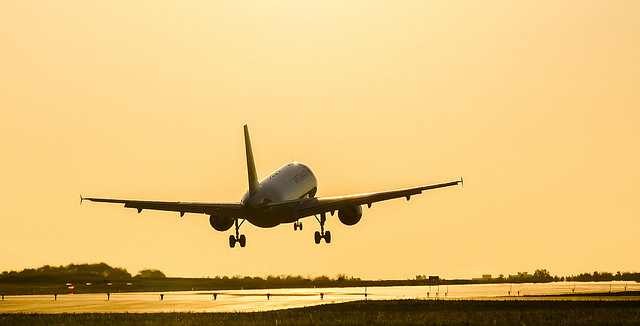
氣候變遷將增加飛機起飛難度。圖片來源:Heads Up Aviation(CC BY-NC-ND 2.0)
ICAO也警告,海平面上升可能威脅低窪地區機場,而雲量增加則會影響能見度,尤其是中東和拉美地區。由於飛行員面臨越來越多的極端氣候事件,必須嚴密監控「飛機的堅固程度」。
航空業應現在開始為暖化作準備
航空業是溫室氣體的一大來源,也因為缺乏具體減排作為而飽受批評。ICAO 2016年環境報告指出,現在就該開始為暖化做準備。
「航空業是個極度避險的產業。氣候變遷對機場造成的風險必須被審慎評估。過去幾十年的經驗已提供許多啟示,但是最顯著的影響將在未來的3、40年間以及之後發生。現在尚無需恐慌,但是現在設立的機場基礎建設必須能因應未來的新氣候型態。」
「機場最好能針對既有和未來的設施進行風險評估,以未雨綢繆、減少災害和生命週期成本,並確保航空業的可靠度和規律性...航空業的所有角色都應進行風險評估——這並不困難——若有需要必須徹底行動。」報告寫道。
報告列出暖化對航空業所造成的一連串風險
高溫
「地面高溫導致空氣密度顯著下降,減少起飛時機翼的升力,可能嚴重影響起飛效能,高海拔或是短跑道將限制載重以及乘載燃料的能力。」
報告警告,高海拔機場的風險尤其高。在高海拔機場,像是中東、中南美洲部分機場,夜間起飛的飛機能利用較低的溫度和密度較高的空氣來爬升,但是當夜間溫度升高,這些機場飛機起飛的能力將受影響。
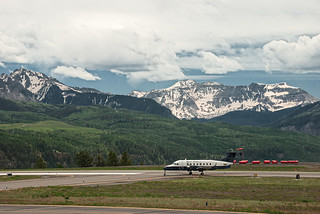 |
| 美國克羅拉多州特柳賴德機場為高海拔機場之一。圖片來源:John Weiss (CC BY-NC-ND 2.0) |
溼度
部分地區溼度和溫度增加也會形成飛機結冰的有利條件。受結冰影響的飛行高度也越來越高。
「這表示必須重新檢討雙引擎飛機在海洋上空的管制作業,因為艙壓減少或一個引擎失去動力將迫使雙引擎飛機飛行在容易結冰的高度。」
報告指出,「另一方面,高空結冰的情況也可能隨著積雨雲增加而增加。」
噴射氣流、沙塵
主要噴射氣流的變化也可能影響飛行路線、飛行時間和燃料消耗。「噴射氣流在巡航高度的風切增加可能減少大氣的穩定性,增加晴空亂流的發生機率。」報告說。
乾旱期拉長,使沙塵暴惡化、風力增強對該區域的航空安全和管制,則有待深入分析。而全世界許多機場海拔接近海平面。報告特別指出,在挪威有20至40座機場未來特別容易受到海平面上升影響。

Climate change set to increase turbulence and make it difficult for flights to take off, UN warns
However report says there's 'no reason to panic' as the worse effects are not expected for about 30 years
|
|
|
|


Climate change will have “severe consequences” for planes trying to take off and increase the chance of in-flight turbulence, icing up incidents and engine-threatening dust storms – but there is no reason to “panic” just now, the United Nations’ air travel agency has said.
The International Civil Aviation Organisation (ICAO) also warned that sea level rise could threaten low-lying airports while a higher number of clouds could reduce visibility, particularly in the Middle East and Latin America.
It added that the “robustness of aircraft” would have to be “carefully” monitored as pilots are faced with increasingly “extreme” weather.
Aviation is a significant cause of greenhouse gas emissions and the industry has faced criticism for its lack of action to address the problem.
ICAO’s Environmental Report 2016 said preparations for a warmer world should start now.
“Aviation is an extremely risk averse business. Climate change poses a new set of risks that airports need to assess properly. The last decades have provided a glimpse of the future climate, but the main effects will be more evident three or four decades from now, and onwards,” it said.
“There is thus no reason to panic, but much of the airport infrastructure erected today will be there in the new climate.
“A rational response at all airports is therefore to carry out risk assessments of existing and new infrastructure in order to think ahead, reduce risks, minimize life cycle costs, and ensure the reliability and regularity of the aviation sector … All actors in the aviation industry should carry out risk assessments – which is not difficult – and decide if action is required.
“It makes little sense to have islands of resilience in an ocean of vulnerabilities.”
The report detailed a string of potentially serious problems for aviation as it gets warmer.
“Higher temperature maxima at ground level result in significant decreases in air density, reducing the lift force on the wings of departing aircraft,” it said.
“This reduction in lift could have severe consequences for aircraft take-off performance, where high altitudes or short runways limit the payload or even the fuel-carrying capacity.”
The report warned there were “major concerns” about airports at high altitudes in subtropical regions because of this effect.

Flights are already scheduled to take off during the evening and night to take advantage of the cooler temperatures and denser air, but this time window “will in some areas (e.g., Middle East, Central and Southern American high-altitude airports) be affected further by the reduced cooling overnight where high cloud is often present”.
Greater amounts of moisture in some parts of the world and, ironically, the warmer temperatures also “tend to point to an increased chance of occurrences of conditions favourable to icing”, the report warned. The altitudes affected by icing could also increase.
“This suggests a need to have a fresh look at the current regulations for twin-engine aircraft operations over oceanic airspace, as cabin pressure loss or the loss of power in one engine would force such aircraft to fly at levels still affected by icing,” the report said.
“On the other hand, high-altitude icing is also likely to increase with more intense cumulonimbus (CB) clouds.”
Changes to the prevailing jet streams could also possibly affect flight routes, journey times and fuel consumption.
“Another possibility is that increased shear within the jet streams at cruising levels may reduce the stability of the atmosphere and increase the likelihood of clear-air turbulence breaking out,” the report warned.
Sand and dust storms made worse by longer droughts and potentially stronger winds “will require a thorough analysis of its impacts on the safety and regularity of flights in these regions”, it added.
Many airports around the world are built close to sea level. The report noted that 20 of the 46 airports in Norway were “quite exposed” to future rises.
In a section on the impacts of climate change on aviation, the report made clear that climate change posed a potentially serious threat to aviation.
“The robustness of aircraft and indeed the robustness of the entire aviation system should be monitored carefully, as the sector will have to prepare for the more extreme meteorological conditions that are expected in the future as the climate continues to change,” it said.


沒有留言:
張貼留言