http://e-info.org.tw/node/117034
森林萎縮嚴重 婆羅洲猩猩入列「極度瀕危」物種
文字大小
30 1 Share1

作者:達邦樹 • 無聲的吶喊
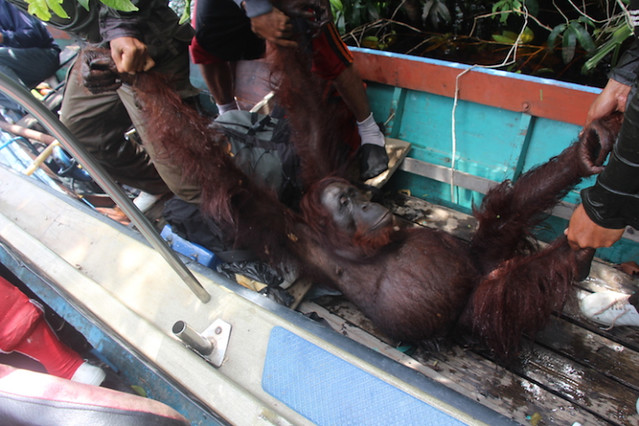
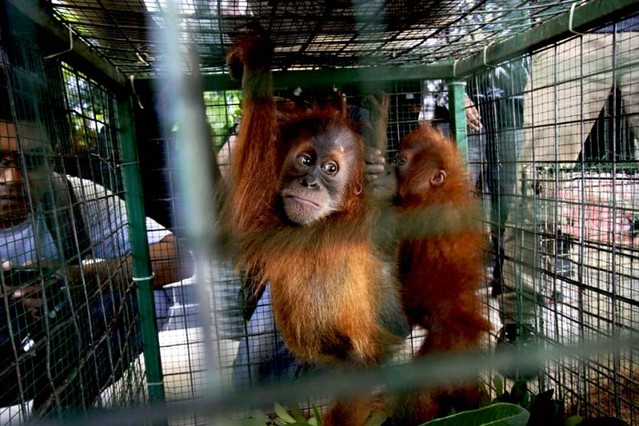
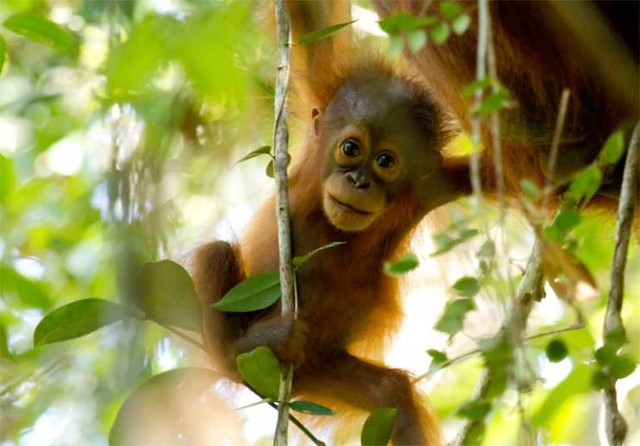
國際自然保護聯盟(IUCN)近日宣布,婆羅洲猩猩因面臨高度滅絕風險,列為「極度瀕危」(critically endangered)物種。
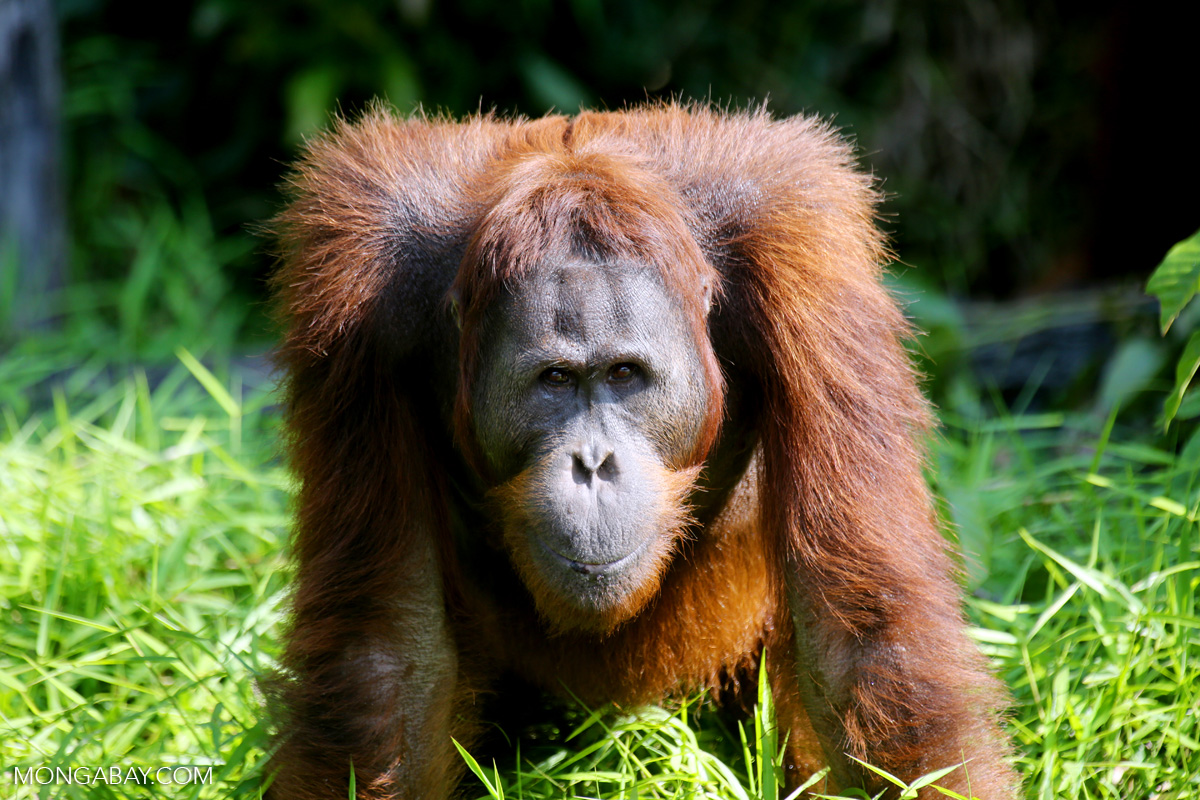
婆羅洲猩猩得面對非法伐木和「燒芭」威脅。圖片來源:Mongabay。
保不住森林也失去猩猩 評論員:減緩現況還不夠
「這充分證實,保護婆羅洲猩猩的任務失敗了。」對於多年來無法增加或穩定猩猩數量,報告評論員馬歇爾(Andrew Marshall)如此表示。
國際自然保護聯盟(IUCN)報告揭示,盜獵、棲地(森林)退化、破壞和面積破碎化,是導致猩猩數量下降的主要原因。
2010年,只有59.6%的婆羅洲森林適合猩猩棲息。儘管這些森林受印尼、馬來西亞和汶萊政府保護,卻仍面對非法伐木和不受控制的「燒芭」(火耕)威脅。一部分的森林其實無法讓猩猩安好地生存下來。猩猩生存在退化的棲息地,也面對著健康威脅。
「報告揭示,猩猩數量進入一個長期性滯後現象(Hysteresis)。」馬歇爾指出,「森林面積破碎化導致物種滅絕。殘酷的是,我們卻無法改變這個事實。我們或許可以減少這些威脅,可是,許多物種數量卻持續下降。」
另外,雌性猩猩是眾多哺乳動物生育間隔最長的,每隔6至8年才生產一次。這也導致猩猩數量增長緩慢。
婆羅洲猩猩。圖片來源:Mongabay
預測猩猩未來 數量每十年跌80%
國際自然保護聯盟針對過去、至今和未來物種消失的研究報告指出,1973年直2025年,棲息地消失、退化和盜獵是導致猩猩物種消失的原因。
國際自然保護聯盟依據其四項標準:觀察、估計、推測和預測作為評估。他們預測猩猩數量在每十年或三個時代期,面臨80%的數量繼續下跌。
馬歇爾表示,透過這項研究觀察,他們發現猩猩更能適應退化的森林。另外,印尼政府和各大企業也承諾遏制森林砍伐。若能更好管制非法伐木,或許能改變棲息地消失的狀況。
他提出更高價值地保護退化土地的建議,與環保團體一同尋求更好解決方案。
「儘管這一切看似會惡化下去,但對猩猩來說,這不算太遲。」馬歇爾說。
婆羅洲猩猩。圖片來源:Mongabay
※ 本文轉載自達邦樹 • 無聲的吶喊
【相關文章】
【參考資料】
- Mongabay(2016年7月5日),Bornean orangutan declared ‘critically endangered’ as forests shrink
- The new IUCN assessment finds that hunting, habitat destruction, habitat degradation and fragmentation are the biggest drivers behind the population loss.
- Things will likely get worse before they get better, but it's not too late for the orangutan, according to one of the authors of the assessment.
- According to the World Wildlife Fund, 45,000-69,000 Bornean orangutans still remain.
The Bornean orangutan (Pongo pygmaeus) is now critically endangered according to the International Union for Conservation of Nature (IUCN). This change means that both species of orangutan now face an “extremely high risk of extinction in the wild.”
“This is full acknowledgement of what has been clear for a long time: orangutan conservation is failing,” Andrew Marshall, one of the authors of the assessment, told Mongabay. Regardless of any positive outcomes of past conservation efforts, they have not achieved the only meaningful goal: a stable or increasing population.
Published this week, the new IUCN assessment finds that hunting, habitat destruction, habitat degradation and fragmentation are the biggest drivers behind the population loss.
In 2010, only 59.6% of Borneo’s forests were suitable for orangutans. And, while much of this land is technically protected by the Indonesian, Malaysian and Brunei governments, illegal logging and uncontrolled burning are still continual threats.
In addition, the smaller patches of remaining forest may be unable to sustain the groups currently living there. These zombie orangutan populations can adapt to survive for decades in degraded or isolated habitats, but the poor health or low numbers may prevent successful reproduction.
“The problem with assessing a species like orangutans is there is such a long time-lag effect,” Marshall said. “Many populations in these forest fragments may be heading toward extinction already, and the grim reality is there is little we can do to alter this trajectory. We could remove every threat right now, and many populations would continue to decline for several generations.”
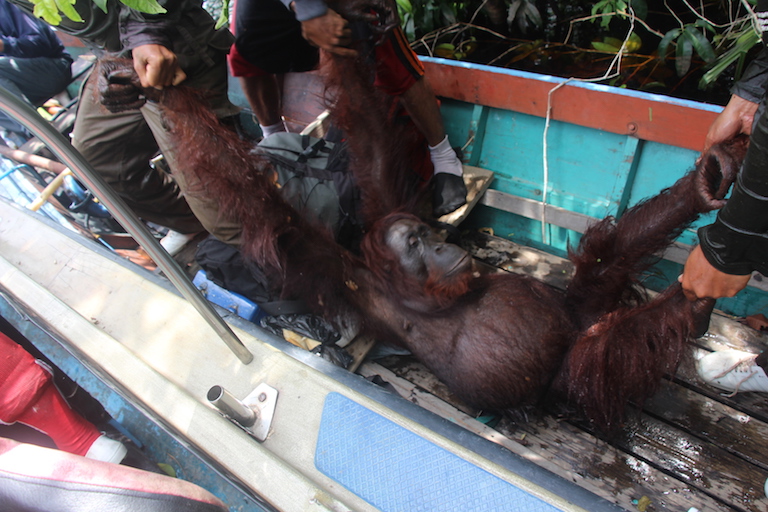
On the other end of the issue, since females only reproduce once every six to eight years — the longest birth interval of any land mammal — orangutan numbers are slow to rebound in the wake of meaningful improvements.
These lags are one reason for the IUCN assessment which considers past, current and future rates of species loss. The authors write that “the combined impacts of habitat loss, habitat degradation and illegal hunting equate to an 86% population reduction between 1973 and 2025.”
This meets criteria A4 of the IUCN definition for “critically endangered”: “an observed, estimated, inferred, projected or suspected population size reduction of ≥80% over any 10 year or three generation period…where the reduction or its causes may not have ceased.”
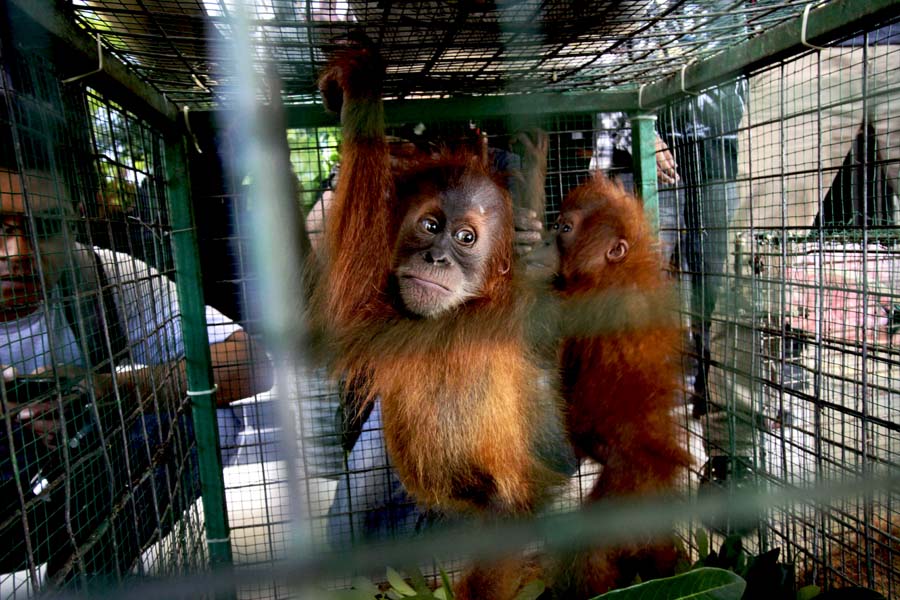
It is important to note, however, that this new label does not mean extinction is a foregone conclusion.
Marshall points out that recent studies have found orangutans to be more adaptable, and fare better in degraded forests than once predicted. Further, new commitments by the Indonesian government and major corporations to limit or eliminate deforestation — if properly enforced — could have major positive impacts on the rate of habitat loss.
With this in mind, Marshall proposes we place higher conservation value on degraded lands, and look for novel approaches to conservation that engage with the industries environmentalists have long considered adversaries.
“Although I think things will likely get worse before they get better,” Marshall said, “it’s not too late for orangutans.”
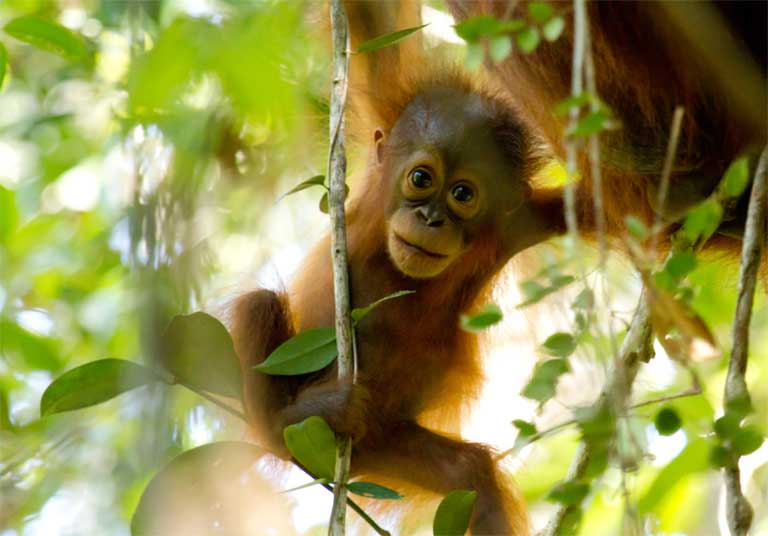
Editor’s note: this post originally appeared without properly crediting the photographer of the baby Bornean orangutan. We regret the error. The caption should have read: “A Bornean Orangutan in Sabangau Forest, Indonesia. Photo by Bernat Ripoll Capilla courtesy of OuTrop.”


沒有留言:
張貼留言