http://e-info.org.tw/node/117036
歐盟稱以「永續管理」取代象牙禁令 非洲近30國傻眼
文字大小
130 1 Share1
本報2016年7月13日綜合外電報導,姜唯編譯;蔡麗伶審校
歐洲執委會7月1日發表聲明表示,與其全面禁止貿易,不如鼓勵大象數量成長的國家「永續管理」象群。這等於是拒絕全面禁止象牙貿易,引起近30個非洲國家有關當局一片譁然。
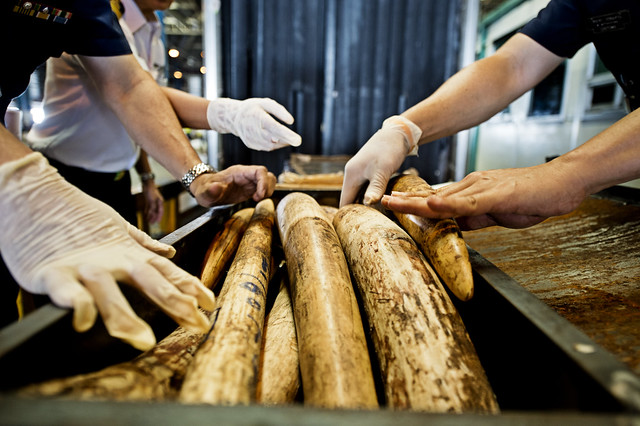
資料顯示,大象可能在25年內從非洲大陸滅絕。圖為查獲的非洲象象牙。攝影:James Morgan。圖片來源:WWF
9月重啟象牙貿易討論 非洲國家籲全面禁止
象牙全球禁運令將於2017年結束,辛巴威、那米比亞、南非、波札納正積極行動,希望在今年9月約翰尼斯堡的華盛頓公約會議上建立象牙貿易決策機制,取代禁令。
然而,由29個非洲國家組成的非洲大象聯盟(African Elephant Coalition,AEC)警告,除非將大象列入華盛頓公約附錄一,禁止非洲境內所有象牙貿易,否則大象將於25年內從非洲大陸滅絕。
烏干達野生物中心主任塞古牙(Andrew Seguya)指出:「如果歐盟反對將非洲象列入附錄一,非洲象必定開始走向滅絕。三年內我們已經失去10萬頭大象。再坐視不管,下一次華盛頓公約會議前,所有保育努力都將走回頭路。」
2014年共有2萬頭非洲象死於盜獵者之手。2009年至2015年間,坦尚尼亞和莫三比克失去近半數象群,各東非和中非國家的情況亦相去不遠,等於每15分鐘就有一頭大象被盜獵者殺害。
專家指出,飽受驚嚇的非洲象群逐漸轉為夜行生活,而且集體遷徙的規模越來越大,最高紀錄到550頭象一起遷徙,以躲避盜獵者。
容許非洲四國出口大象製品 歐盟官員:我們立場較中立
歐盟因為有28個會員國,是華盛頓公約最大的投票聯盟。其提供的資金和貿易槓桿對開發中國家深具影響力。
歐盟表示支持擴大現有的禁令,但仍要包含部分例外,包括容許辛巴威、那米比亞、南非、波札納這四個非洲國家出口大象製品。
如果將大象以附錄一列管,則所有國際貿易都將違法。
一位歐盟官員表示:「我們的立場較中立。我們同意禁止會助長走私的貿易方式,但不完全同意將該四個非洲國家的非洲象都列入附錄一。我們鼓勵這些非洲國家進一步對話。」
然而,專家認為目前沒有辦法避免盜獵象牙進入合法供應鏈和全球市場。
非洲象會遷徙 非洲國家:各國保育標準應一致
2007年現行禁令開始生效,但研究指出,那年實施一次性的合法象牙貿易之後,盜獵活動大爆發而且範圍進一步擴張。
AEC秘書處成員阿沃里(Patricia Awori)質疑,當盜獵危機升高、華盛頓公約附錄一被提出時,非洲有60萬頭大象,現在剩不到40萬頭,不懂為什麼歐盟看不出其中嚴重性。肯亞野生物服務中心副主任奥曼迪(Patrick Omondi)對此也表示吃驚和失望。
最新資料顯示,1980年至2013年間,非洲象數量減少61%。華盛頓公約會議前最後一次普查結果尚未出爐。
為了遏止盜獵,AEC要求將非洲大陸上所有大象視為單一物種,包括其中四國的象群,因為牠們是受威脅的遷徙物種。「一頭大象早上在安哥拉是附錄一物種,下午可能就在那米比亞變成附錄二物種。」塞古牙說。
歐洲對於象牙貿易決策機制的看法尚不明朗。在9月華盛頓公約會議前,歐盟內部還有許多內部討論待進行。

African wildlife officials appalled as EU opposes a total ban on ivory trade
European commissions’ opposition to a proposed global ban will spell the beginning of a mass extinction of African elephants, warn officials from 29 African states

Wildlife officials in nearly 30 African states say they are appalled by an EU decision to oppose a comprehensive global ban on the ivory trade.
In a position paper released on 1 July, the European commission said that rather than an all-encompassing ban it would be better to encourage countries with growing elephant numbers to “sustainably manage” their populations.
An existing global embargo on ivory sales is due to end in 2017 and Zimbabwe, Namibia, South Africa and Botswana are pushing for it to be replaced with a decision-making mechanism for future tusk trading, at the Convention on International Trade in International Species (Cites) conference in Johannesburg this September.
However, the African Elephant Coalition (AEC) – a coalition of 29 African states – is warning of a mass extinction on the continent within 25 years, unless elephants are given an ‘Annex I’ Cites listing, which would ban any future domestic ivory trade.
Andrew Seguya, the director of Uganda’s Wildlife Authority, told the Guardian: “If the EU prevents an Annex I listing, it will be the beginning of the extinction of the African elephant for sure. We have lost 100,000 elephants in just three years. If nothing is done, we will see a tipping of the balance in conservation efforts before the next Cites COP (conference of parties).”
In 2014, 20,000 African elephants were killed by poachers. Between 2009 and 2015, Tanzania and Mozambique lost over half their elephant populations, with similar figures reported across east and central Africa.
The death rate is such that every 15 minutes, an elephant somewhere is killed by poachers.
Experts say that traumatised elephant populations in Africa are increasingly becoming nocturnal and migrating in mega-herds of up to 550 in a bid to avoid contact with poachers.
Azizou El Hadj Issa, a former minister in Benin and president of the AEC’s council of elders said: “The situation is alarming in most of our countries. Elephants are slaughtered every day, rangers are being killed and the trade is fuelling terrorism which destabilises the continent and has huge repercussions for EU security. We need the EU to support us and become part of the solution to this crisis.”
With 28 members, the EU makes up the biggest voting bloc at Cites. Its funding and trade levers give it a powerful influence in the developing world.
Europe says that it wants an extension of the current ivory ban but also backs a system of exemptions included in the ban, which allows exports of some elephant products from the four African states.
Under a ‘Annex I’ listing, all international ivory trade would be outlawed.
An EU official said: “We need a balanced position. We admit that the domestic trade in ivory should be banned in those situations where it can facilitate illegal trade but don’t fully agree with the inclusion of the African elephant in ‘Annex I’ in those four countries. We would encourage the African countries to have a dialogue about this.”
However, experts believe that there is currently no way to prevent poached ivory from entering legal chains and then finding a way on to the world market.
A one-off legal sale of ivory in 2007, when the current ban came into force, was followed by “an abrupt, significant, permanent, robust and geographically widespread increase” in elephant poaching, according to researchers.
Patricia Awori a member of the AEC’s secretariat, said that she was left “flabbergasted” by the EU’s positioning. “When you consider that there were 600,000 elephants at the start of the crisis which led to this Appendix I proposal and there are now less than 400,000, I am at a loss to understand why this is not more troubling for the EU.”
Patrick Omondi, the deputy director of the Kenya wildlife service, added he was “taken aback and disappointed” by the stance from Brussels.
The most recent figures show a 61% decline in African elephants between 1980 and 2013, although an updated census is due before the Cites meeting.
To ratchet down rampant poaching, the AEC wants all elephants on the continent to be considered a single species – without exceptions for the four countries – arguing that they are a threatened migratory species.
“An elephant that wakes up in the morning in Angola as ‘Appendix I’ could be in Namibia under ‘Appendix II’ by the same afternoon,” Seguya said.
Europe is agnostic on the proposal for a decision-making mechanism to allow future ivory sales. More internal discussions are planned before the bloc takes a final position on the Cites debates, in early September.


沒有留言:
張貼留言