http://e-info.org.tw/node/116899
美國「基因編輯」蘑菇 上市將不受基改法律規範
文字大小
129 1 Share1

科技農報2016年6月23日綜合外電報導,廖靜誼編譯;柴幗馨、林韋佑編輯
各界輿論還在爭執政府是否應該推廣基因改造作物(GMO crop),世界各大農業公司已經開始使用新一代的基因工程技術——基因編輯技術——CRISPR(Clustered regularly interspaced short palindromic repeats),想盡辦法在農業生技發展上取得先機。未來利用此技術改造的蘑菇,確定可不受美國基因改造法規律的規範,能直接栽培與上市販售。
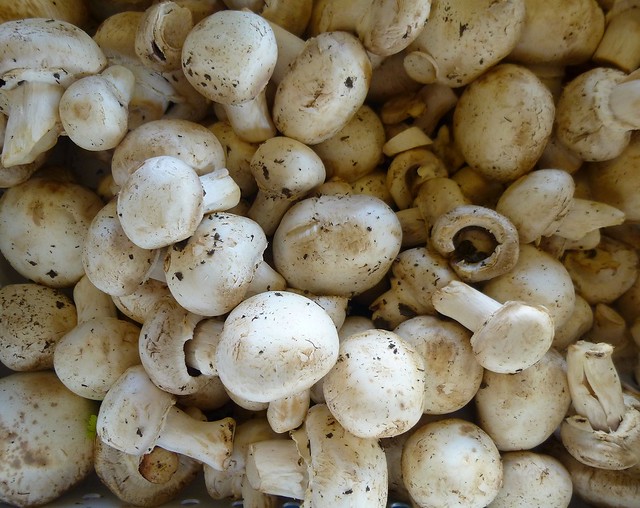
美國政府率先放行一批「基因編輯」的洋菇。本圖僅供示意。圖片來源:Hafiz Issadeen(CC BY-ND 2.0)
基因編輯技術 減緩洋菇褐化
美國農業部(USDA)表示,未來以基因編輯生產的蘑菇,將不必受到基改的管制,這也是美國政府第一個放行的CRISPR基因編輯物種。
這項計畫由賓州州立大學的植物病理學家楊亦農主導,針對導致蘑菇白色菌傘褐化的多酚氧化酵素基因家族進行基因編輯。研究團隊將這技術應用在俗稱洋菇或白色紐扣菇的雙孢蘑菇(Agaricus bisporus)上,以達到抗褐化的目的。
透過刪除蘑菇基因組內少數的鹼基對,研究團隊剔除了六個多酚氧化酵素基因的其中一個,成功將酵素活性減弱30%,減緩蘑菇褐化的速度。而賓州州立大學已於2015年9月對這一技術提出了臨時專利申請。
由楊亦農主導的研究團隊所生產的新品種蘑菇,因為不包含來自植物病蟲害源如病毒或細菌的外源DNA,因此可不受美國農業部的監管。近年來不包含這些植物病蟲害外源基因的工具正如雨後春筍般的崛起中,逐漸取代了舊技術。
生物基因技術日新月異 美國修相關法案
同時,楊亦農正考慮成立一家公司來商品化他的改造蘑菇。因為抗褐化的水果與蔬菜再切片後仍能保持原有的顏色,銷售層面上具有相對高的價值。從2014年開始,就已有部分生技公司將抗褐化的基因應用在商業品種上,包含抗核化蘋果與馬鈴薯。
目前有30種基因改造物種,成功避開美國農業部的基因管制法規系統,而蘑菇只是其中一種。
美國動植物衛生檢驗署(APHIS)表示,在每個案例中,生物體(大部分是指植物)均不受該機構必須規範的事項所約束(註)。大部分能躲避規避美國農業部審查的植物,都是應用鋅指核酸酵素(ZFN)或是類轉錄活化子有效蛋白核酸酵素(TALEN)這類基因編輯技術的產物。但是至今為止,我們仍不曉得美國農業部是否將對堪稱現今科學界巨星的CRISPR-Cas9技術的生物體網開一面。
美國正在修改被統稱為生物技術管制配合架構(Coordinated Framework for Regulation of Biotechnology)的基因改造生物管制相關法規。美國國家科學、工程學與醫學科學院亦召集了一個委員會,負責預測在未來五到十年內生物技術產品將取得的進展。
※ 本文轉載自科技農報
【延伸閱讀】
【相關文章】
【參考資料】
- Nature(2016年4月14日)Gene-edited CRISPR mushroom escapes US regulation
Gene-edited CRISPR mushroom escapes US regulation
A fungus engineered with the CRISPR–Cas9 technique can be cultivated and sold without further oversight.
Article tools

Jose A. Bernat Bacete/Getty Images
The common white button mushroom (Agaricus bisporus) has been modified to resist browning.
The US Department of Agriculture (USDA) will not regulate a mushroom genetically modified withthe gene-editing tool CRISPR–Cas9.
The long-awaited decision means that the mushroom can be cultivated and sold without passing through the agency's regulatory process — making it the first CRISPR-edited organism to receive a green light from the US government.
“The research community will be very happy with the news,” says Caixia Gao, a plant biologist at the Chinese Academy of Sciences’s Institute of Genetics and Developmental Biology in Beijing, who was not involved in developing the mushroom. “I am confident we'll see more gene-edited crops falling outside of regulatory authority.”
Yinong Yang, a plant pathologist at Pennsylvania State University (Penn State) in University Park, engineered the common white button (Agaricus bisporus) mushroom to resist browning. The effect is achieved by targeting the family of genes that encodes polyphenol oxidase (PPO) — an enzyme that causes browning. By deleting just a handful of base pairs in the mushroom’s genome, Yang knocked out one of six PPO genes — reducing the enzyme’s activity by 30%.
The mushroom is one of about 30 genetically modified organisms (GMOs) to sidestep the USDA regulatory system in the past five years. In each case, the agency's Animal and Plant Health Inspection Service (APHIS) has said that the organisms — mostly plants — do not qualify as something the agency must regulate. (Once a crop passes the USDA reviews, it may still undergo a voluntary review by the US Food and Drug Administration.)
Several of the plants that bypassed the USDA were made using gene-editing techniques such as the zinc-finger nuclease (ZFN) and transcription activator-like effector nuclease (TALEN) systems. But until now, it was not clear whether the USDA would give the same pass to organisms engineered with science’s hottest new tool, CRISPR–Cas9.
All clear
Yang first presented the crop to a small group of USDA regulators in October 2015, after being encouraged to do so by an APHIS official. “They were very excited,” Yang says. “There was certainly interest and a positive feeling” at the meetings. He followed up with an official letter of inquiry to the agency later that month.

The USDA’s answer came this week. “APHIS does not consider CRISPR/Cas9-edited white button mushrooms as described in your October 30, 2015 letter to be regulated,” the agency wrote in a 13 April letter to Yang.
Yang’s mushroom did not trigger USDA oversight because it does not contain foreign DNA from ‘plant pests’ such as viruses or bacteria. Such organisms were necessary for genetically modifying plants in the 1980s and 1990s, when the US government developed its framework for regulating GMOs. But newer gene-editing techniques that do not involve plant pests are quickly supplanting the old tools.
The United States is revamping its rules for regulating GMOs, which collectively are known as the Coordinated Framework for Regulation of Biotechnology. To that end, the US National Academies of Sciences, Engineering and Medicine have convened a committee that is charged with predicting what advances will be made in biotechnology products over the next 5–10 years. It will hold its first meeting on 18 April.
In the meantime, Yang is mulling over whether to start a company to commercialize his modified mushroom. Fruits and vegetables that resist browning are valuable because they keep their color longer when sliced, which lengthens shelf life. In the past 18 months, biotech companies have commercialized genetically engineered non-browning apples and potatoes.
“I need to talk to my dean about that. We’ll have to see what the university wants to do next,” he says about the prospect of bringing his mushroom to market. But he notes that in September 2015, Penn State filed a provisional patent application on the technology.
- Nature
- 532,
- 293
- ()
- doi:10.1038/nature.2016.19754


沒有留言:
張貼留言