http://e-info.org.tw/node/117123
用這招護鯊 環團買下大堡礁捕鯊許可證後作廢
文字大小
498 2 Share1
本報2016年7月18日綜合外電報導,姜唯編譯;蔡麗伶審校
保育團體世界自然基金會(WWF)買下一張大堡礁捕鯊許可證後作廢,一年約可救下10萬條鯊魚,免成網下冤魂。WWF表示,目前正尋求資金支付這美金10萬元(約新台幣318萬)的許可證費用。
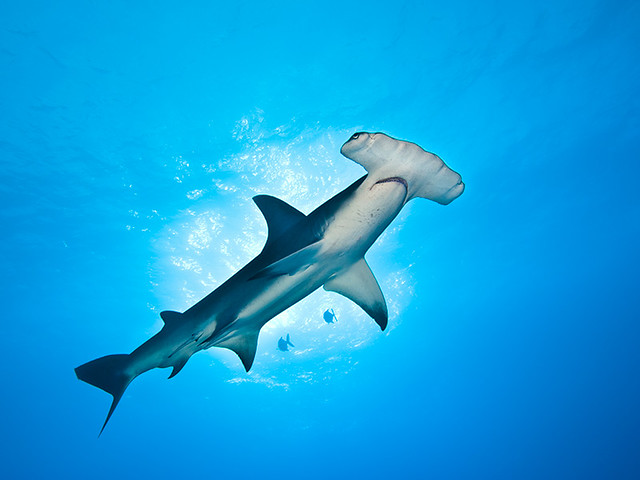
澳洲政府保護瀕危鯊魚的政策搖擺不定。圖為八鰭ㄚ髻鮫(Great Hammerhead Shark)。攝影:Alex Mustard;圖片來源:WWF
這張許可證讓所有權人可以在大堡礁任何地方以1.2公里長的刺網捕鯊,或是用延繩捕捉其他物種。
WWF指出,這張許可證在1994年到2004年間被用來捕鯊,期間每年都捉到1萬隻鯊魚。昆士蘭政府統計資料顯示,大堡礁的鯊魚捕獲量在2014年至2015年間成長一倍,從222噸至402噸——約等於10萬隻鯊魚。
WWF澳洲分會保育主任盧埃林(Gilly Llewellyn)表示,今年大堡礁因珊瑚白化而受創嚴重,此時鯊魚這類頂端掠食者尤其重要。一份2013年的研究顯示,珊瑚礁生態系若失去鯊魚,珊瑚會更難恢復。
「珊瑚白化後,藻類就會蓬勃生長。研究人員發現,當地的鯊魚被過度捕撈,笛鯛等較小的掠食者就會增加。這些笛鯛會吃掉以藻類為食的魚類,接著藻類就會將年輕的珊瑚給淹沒。」盧埃林說。
澳洲政府保護瀕危鯊魚的政策搖擺不定。2014年11月,澳洲政府同意將13種鯊魚列入聯合國公約的保護,但兩個月後又將五種鯊魚刪除,其中包括兩種鎚頭鯊。「無數的刺網每年殺死數以萬計的年幼鯊魚,包括瀕危物種鎚頭鯊。昆士蘭鎚頭鯊的數量驟減,可能只剩下20%。」盧埃林說。
除了目標物種外,刺網會將所有經過的物種全部抓住,包括海牛、海豚和海龜。實際發生的頻率不得而知,因為漁民雖被要求呈報混獲物種,證據顯示他們常常把混獲給藏起來。
本月一隻死亡的海牛在澳洲湯斯維爾(Townsville)附近發現,身上的痕跡顯示牠是被漁網抓到的。2010年和2011年,一隻海牛和一對海豚的屍體在另一處被發現,尾鰭看起來曾經被綁在一起拖行,顯示漁民企圖把這些屍體藏起來。

WWF buys shark fishing licence on Great Barrier Reef to scrap it
Conservation group seeks help to pay for the $100,000 licence which lets owner drag 1.2km nets along length of the reef

A conservation group has taken the unusual step of buying a commercial shark fishing licence on the Great Barrier Reef, and will retire it, saving the sharks that it would otherwise be used to catch.
WWF said it was now seeking funds to cover the cost of the $100,000 licence, which gives the owner the right to drag a 1.2km net anywhere along the length of the Great Barrier Reef, targeting sharks. It can also be used for fishing with lines to target other species.

WWF said the licence was used to target sharks for 10 years until 2004, when it caught about 10,000 sharks each year.
The move comes as Queensland government figures show shark catches on the Great Barrier Reef almost doubled between 2014 and 2015: from 222 tonnes to 402 tonnes – about 100,000 sharks that year.
WWF-Australia’s conservation director, Gilly Llewellyn, said protecting apex predators such as sharks was particularly important after the unprecedented bleaching event that devastated the Great Barrier Reef this year. A 2013 studyshowed that removing sharks from coral reefs disrupted the ecosystem, making it harder for reefs to recover.
“After bleaching, algae spreads,” Llewellyn said. “Researchers found that where sharks were removed by overfishing, smaller predators like snapper became more abundant. These snapper kill the algae-eating fish and the algae then overwhelms young coral.”
Australia has been reluctant to protect endangered sharks from fishing. In November 2014 the Australian government agreed to grant 31 species of sharks protection under a UN-administered convention. But two months later, the government opted out of the agreement with respect to five of the species, including two species of hammerhead sharks.
“These enormous nets kill tens of thousands of juvenile sharks each year, including hammerheads which are listed internationally as endangered,” Llewellyn said. “Hammerhead numbers have crashed in Queensland, possibly by 80%.”
Besides catching the target species, these long nets catch almost anything they pass over, Llewellyn said. That includes dugongs, dolphins and turtles.
How often that happens is not known, since while fishers are required to report the by-catch, there is evidence they could be attempting to hide the catches.
This month a dead dugong was found near Townsville, with signs it had been caught in a net.
And in 2010 and 2011, a dugong and a pair of dolphins were found, in a similar area, which looked as though they had been tied up by the tail and weighed down, with fishers attempting to hide the carcasses.


沒有留言:
張貼留言