http://e-info.org.tw/node/117148
棲地變農地 全球58%陸地生態拉警報
文字大小
93 2 Share2

本報2016年7月19日綜合外電報導,姜唯編譯;蔡麗伶審校
生物多樣性不停流失,就好比拿生態環境做賭注!《科學》期刊最新研究指出,全球一半以上陸地的生物多樣性快速流失,已經降低到相當危險的水準。不過科學家指出,棲地改變最大的原因並非都市化,而是農業。
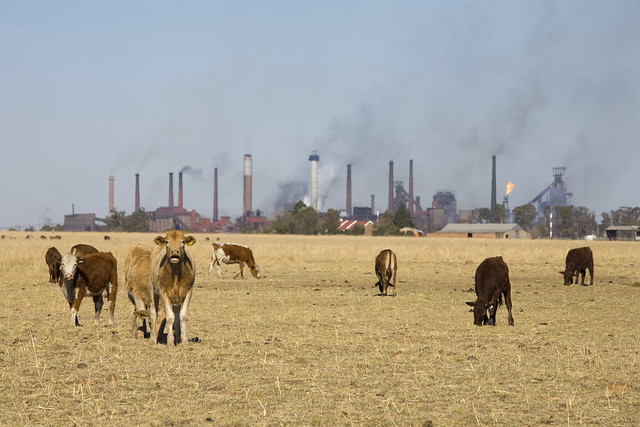
生物多樣性流失超過10%的地方越來越多。攝影:John Hogg。圖片來源:World Bank(CC BY-NC-ND 2.0)。
研究人員分析全球3萬9123個地點,共180萬筆紀錄發現,58.1%的地點生物多樣性已低於安全水準。英國《衛報》報導,科學家表示,由於人類活動將棲地轉為農地,長期而言將抵消人類為消滅貧窮所做的努力。
去年就有專家提出,當一地生物多樣性下降超過10%,生態系統的功能就可能受影響,應將這10%的臨界值視為警訊。
「如果生態系統無法繼續正常運作,終將影響農業供養人口的能力,而我們並不知道那一天什麼時候會到來。我們已進入未知的領域。」研究主要作者、倫敦大學學者紐博爾德(Tim Newbold)博士說。
紐博爾德說,人類雖能用科技複製某些生態功能,如授粉昆蟲,但科技取代消失物種的能力總有極限。「生物多樣性流失超過10%的地方越來越多,如不想辦法因應,將影響長期的永續發展。」研究中寫道。
研究發現,有人類居住的棲地生物多樣性流失最嚴重,如草地。苔原和北方森林所受影響最少。
這份研究也有其限制。科學家未能精確定義生物多樣性流失多少百分比算是危險,可能是10%,但在某些情況下可容許高達70%。研究團隊檢視全球3萬9123個1平方公里土地上的地理資料,包括2005年至今的物種資料和2000年以來的人口數。
2000年全球人口為60億,目前已增加到70億,世界各國政府因未能阻止生物多樣性流失而遭到強烈批評,實際上生物多樣性流失比例超過10%的土地應該不只58.1%。
紐博爾德表示,這段期間各地的生物多樣性流失程度應該不同,因為各地保育的措施不同,但平均而言流失比例應該還是增加的。
【相關文章】
【參考資料】
Biodiversity is below safe levels across more than half of world's land – study
Habitat destruction has reduced the variety of plants and animals to the point that ecological systems could become unable to function properly, with risks for agriculture and human health, say scientists

The variety of animals and plants has fallen to dangerous levels across more than half of the world’s landmass due to humanity destroying habitats to use as farmland, scientists have estimated.
The unchecked loss of biodiversity is akin to playing ecological roulette and will set back efforts to bring people out of poverty in the long term, they warned.
Analysing 1.8m records from 39,123 sites across Earth, the international study found that a measure of the intactness of biodiversity at sites has fallen below a safety limit across 58.1% of the world’s land.
Under a proposal put forward by experts last year, a site losing more than 10% of its biodiversity is considered to have passed a precautionary threshold, beyond which the ecosystem’s ability to function could be compromised.
“It’s worrying that land use has already pushed biodiversity below the level proposed as a safe limit,” said Prof Andy Purvis, of the Natural History Museum, and one of the authors. “Until and unless we can bring biodiversity back up, we’re playing ecological roulette.”
Researchers said the study, published in the journal Science on Thursday, was the most comprehensive examination yet of biodiversity loss. The decline is not just bad news for the species but in the long term could spell problems for human health and economies.
“If ecosystem functions don’t continue, then yes it affects the ability of agriculture to sustain human populations and we simply don’t know at which point that will be reached,” said Dr Tim Newbold, lead author of the work and a research associate at University College London. “We are entering the zone of uncertainty.”
He added that while to an extent people could use technological solutions to replicate the functions of nature, such as pollinators, there were limits to how much humans could compensate for the loss of species.
“Such widespread transgression of safe limits suggests that biodiversity loss, if unchecked, will undermine efforts toward long-term sustainable development,” the paper said.
Dr Tom Oliver, who was not involved in the study, wrote in a separate commentary in Science that: “It is a tricky problem to say how much biodiversity loss is too much. However, we can be certain that inaction commits us to a future with substantial costs to human wellbeing.”
The study found that different types of habitat had lost more biodiversity where they were biomes that humans lived in, such as grasslands. Tundra and boreal forests, by contrast, were the least affected. The biggest cause of natural habitats being changed was due to agriculture, rather than urbanisation.
The study does come with some caveats. Foremost is that scientists cannot say exactly what a dangerous degree of biodiversity loss would be – it could be the 10% threshold agreed on, but the authors admit that as much as a 70% loss in variety could count as the safe limit.
The team looked at 1sq km-sized sites around the world, using the latest records that would give a geographically comprehensive picture, including species data from 2005 and human population numbers from 2000, when there were 6 billion people worldwide.
Since then, the global population has grown to 7 billion and governments have been lambasted for failing to stem biodiversity loss, suggesting the real world percentage of sites passing the safety threshold today is even higher.
Newbold said that while losses in the interim would not be uniformly true, because of conservation efforts in certain parts of the world, “on average, we would predict in intervening period, there has been further loss.”


沒有留言:
張貼留言