https://edition.cnn.com/2020/02/27/health/coronavirus-community-spread-us-response-explainer/index.html?utm_source=fbCNN&utm_term=link&utm_content=2020-03-01T15:29:05&utm_medium=social&fbclid=IwAR1SOW4kC7e9oCWlsd3GtVorCegA4y_pVV1RHt0RTds1fyw0gfN-zc37Qqw&fbclid=IwAR2Lba7Mp8xk279so9DdCVtbuLrgCgEBS_Z02AgSknubYnOZYszP_5OBUtA&fbclid=IwAR3vUYafY6CCgwy6RSHkSQYFgUYNW_eyRLyFTEesJp_ak9_5bbT0uMMulyk
If coronavirus spreads within the US, here's how daily life might change


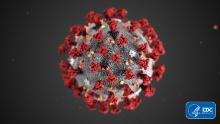


(CNN)Officials at the US Centers for Disease Control and Prevention have warned that it's not a question of if, but when the novel coronavirus will spread in the United States -- and communities are urged to prepare for the virus that has already killed thousands and sickened 10s of thousands more worldwide.
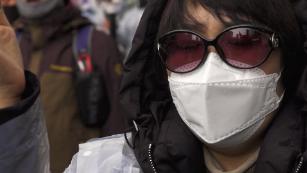
How could the possible spread of coronavirus change our daily lives? Schools, businesses, hospitals and first responders could all be impacted, according to the CDC.
"We expect we will see community spread in this country," Dr. Nancy Messonnier, director of the CDC's National Center for Immunization and Respiratory Diseases, said during a press briefing Tuesday.
"We are asking the American public to work with us to prepare in the expectation that this could be bad."
The CDC has been referring to guidance on how to deal with flu pandemics, in a document called "Community Mitigation Guidelines to Prevent Pandemic Influenza United States 2017." It's the "blueprint" for community interventions, and the agency is adjusting its recommendations to the specific circumstances of the coronavirus outbreak, officials said.
The document draws from the findings of nearly 200 journal articles written between 1990 and 2016, and it includes a summary of lessons learned from the response to the 2009 H1N1 pandemic, which killed hundreds of thousands globally.

"The trajectory of what we're looking at over the weeks and months ahead is very uncertain, but many of the steps that we have taken over the past 15 years to prepare for pandemic influenza and our experience going through the 2009 H1N1 pandemic of influenza remind us of the kinds of steps that our health care system, our businesses, our communities and schools may need to take," Dr. Anne Schuchat, CDC's principal deputy director, said during a press conference at the White House on Wednesday.
"It's the perfect time for businesses, health care systems, universities and schools to look at their pandemic preparedness plans, dust them off and make sure that they're ready."


沒有留言:
張貼留言