To consume or not to consume…
 When it comes to buying new things I always think twice. The best thing for the environment is not to consume at all. But in today’s society we sometimes have to spend since we are not self-sufficient. When I have to buy something I always ask myself:
- Do I need this at all or is it just an impulse?
- Can I find it second-hand?
- What is the market´s best offer from a sustainable perspective?
Sustainability starts in the mind – you have to change your mind-set. That is actually the hardest part. When you get over the threshold you will find that a sustainable living is both fun and inspiring. On top of that you will even save money. Now some of you will argue and say that organic and fair trade is more expensive. Yes, sometimes it is true but since you cut down on consumption you will not have to spend more. And you should at least manage to live on the same budget. As a beginner you do not have to walk the whole sustainability line. Figure out what you can handle and cut down on. Every small step counts. For starter you may begin looking for organic and locally produced food in your store. Compare prices and get familiar with the organic alternatives. Read about which groceries have the largest environmental impact changing from conventional to organic.

There is a market for second-hand stuff and you can make real bargains. Many communities also arrange swapping days where you can find new things in exchange of your old. If you do not have the effort at least recycle and hand in your clothes etc to a second-hand store or charity. Someone will be very happy to get them. Your trash may be someone elses treasure.
As a first time parent there is much you need to get for your baby. If you have to buy everything it can be very expensive. The market knows how to use the situation. To buy a baby carriage is almost like buying a car there are so many models and brands to choose from. And you will feel it in your wallet. Me and my spouse have the fortune of being last one out so our friends and relatives are eager to give us their outgrown baby stuff. We have been offered even the most costly things like a buggy and a baby safe second-hand. We are thrilled – not only will we save money we will also make a good environmental deed. In our families we have some talented crafters who are happy to make things for our baby. And what can be better than do it yourself customized things made with love and awareness of our lifestyle. Somethings we still have to buy. I would like to share some of the products on our shopping list with you so you get a glimpse of how we think:
Baby bottle
- Glass baby bottles – Lifefactory
- Glass baby bottles – Cherub Baby
- Stainless Steel baby bottles – Klean Kanteen
We have decided not to use plastic food items for the baby. Even though the market works to reduce the use of toxic chemicals especially in items for children. We want to feel safe and not jeopardize anything. Besides it is easier to keep glass or stainless steel bottles clean and fresh.
Diapers
- Real Diapers – Imse Visme
- Organic diapers and Baby Care – Naty
- DIY Cloth diapers 1 – The Tutu Mafia FREE Pattern
- DIY Cloth diapers 2 – Homespun Aesthetic Pattern on Etsy
Imaging the amount of waste produced when using traditional “throw away” diapers. Instead of traditional diapers you can go with cloth diapers and fabric wiping . If it scares you too much you can choose organic labeled diapers and wiping cloths. EC (Elimination Communication) aka IPT (Infant Potty Training) is also recommended to get your child diaper free earlier.
Pacifier
- Pacifiers natural rubber – Hevea
- Pacifiers natural rubber – Natursnutten
- Pacifier holders – Plastisock
Many pacifiers are made of plastic, silicon and other chemical based materials. Instead we have found organic pacifiers made of natural rubber. They may look kind of boring compared to traditional ones but if you add a pacifier holder it will not be noticed that much.
Toys
Today many toys are made of plastic or likewise. And colored with sometimes questionable colors and paints. Be aware and ask for safer toys colored with food-colors or water based paint. FSC-labeled wooden toys are to prefer over plastic. Textiles should be labeled with GOTS or Oeko-Tex. Natural unprocessed materials are often better to choose. Most of all reduce the amount of toys – many kids have so many toys I wonder if they really use them all. Quality before quantity.
This is just a taste of what the market has to offer. The awareness is spreading and sustainable alternatives keep taking market space.
Do you want to know more about sustainability? Here are some links to start with:
You may also be interested in reading Sustainability in the bathroom cabinet
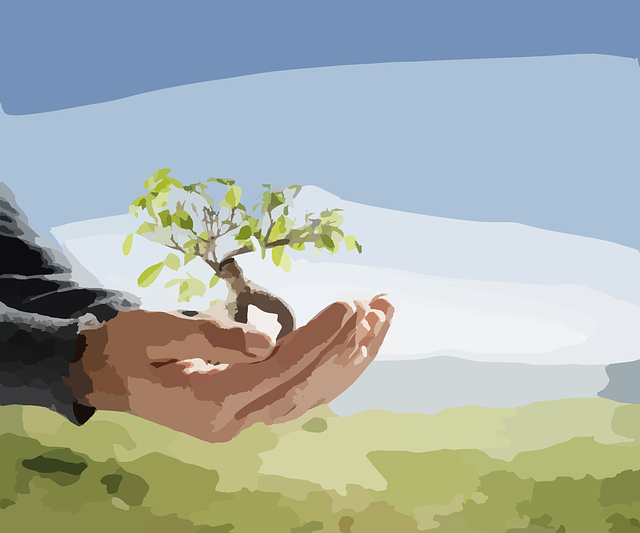
We Do Not Inherit the Earth from Our Ancestors; We Borrow It from Our Children
沒有留言:
張貼留言